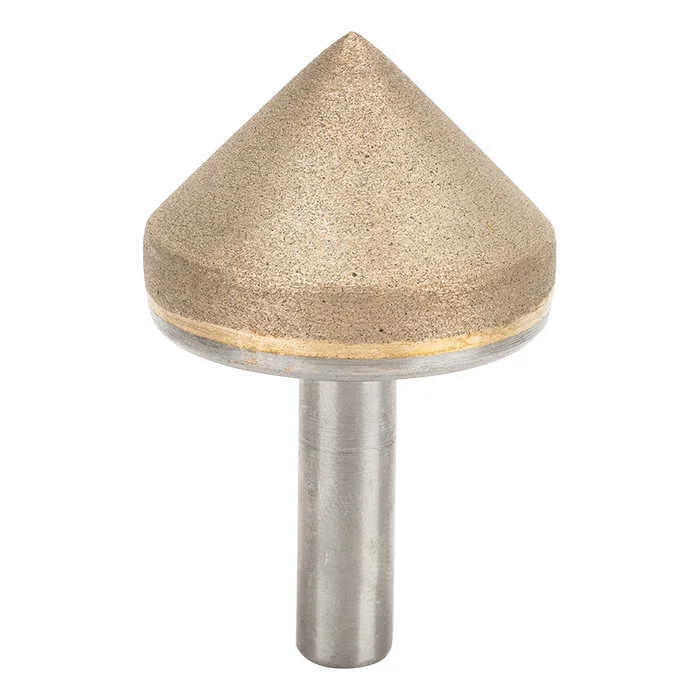
Glass Drilling Tools · GCH-10-60

Diamond Glass Hole Chamfer Bit and Conical Countersink Tool

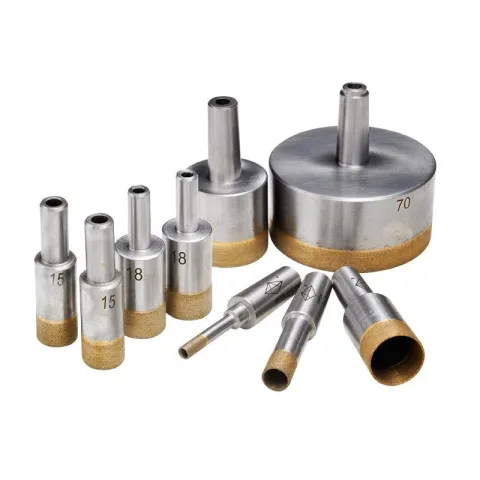
Quick answer: ZHUIFENG diamond glass-hole chamfer tools use a conical diamond cutting profile to bevel, countersink and refine sharp edges around a previously drilled glass hole. Diamond and copper powder are sintered into the cutting layer and bonded to the tool body. Select the tool size from the hole diameter, glass thickness and required chamfer width, and use controlled low speed with water cooling.

CodeTool sizeMaterialApplication
GCH-10-6010 mmDiamondGlass-hole chamfering / countersinking
20 mmDiamondGlass-hole chamfering / countersinking
25 mmDiamondGlass-hole chamfering / countersinking
30 mmDiamondGlass-hole chamfering / countersinking
35 mmDiamondGlass-hole chamfering / countersinking
40 mmDiamondGlass-hole chamfering / countersinking
45 mmDiamondGlass-hole chamfering / countersinking
50 mmDiamondGlass-hole chamfering / countersinking
60 mmDiamondGlass-hole chamfering / countersinking
Share This Product:

Product details

What this product is used for

Manual or machine-assisted chamfering, countersinking and local edge refinement around drilled glass holes, subject to compatible equipment, cooling and controlled pressure.

Flexible chamfering for small batches and local hole-edge repair

Small chamfer defects around a drilled glass hole can create disproportionate rework cost when the part must return to a fixed production station. For small batches and local correction, a compatible handheld chamfering setup can provide a flexible secondary operation without occupying the main drilling line.

The conical diamond profile is used to refine sharp hole edges, create a controlled bevel or countersink, and correct minor roughness after drilling. Actual cycle time depends on hole size, chamfer width, glass thickness, cooling, speed and operator technique rather than the tool alone.

Secure the glass on a soft, stable support, use continuous water cooling and start with light pressure at a controlled low speed. Inspect the hole for cracks before and after processing; severe drilling defects or structurally unsafe glass should not be treated as a simple cosmetic repair.
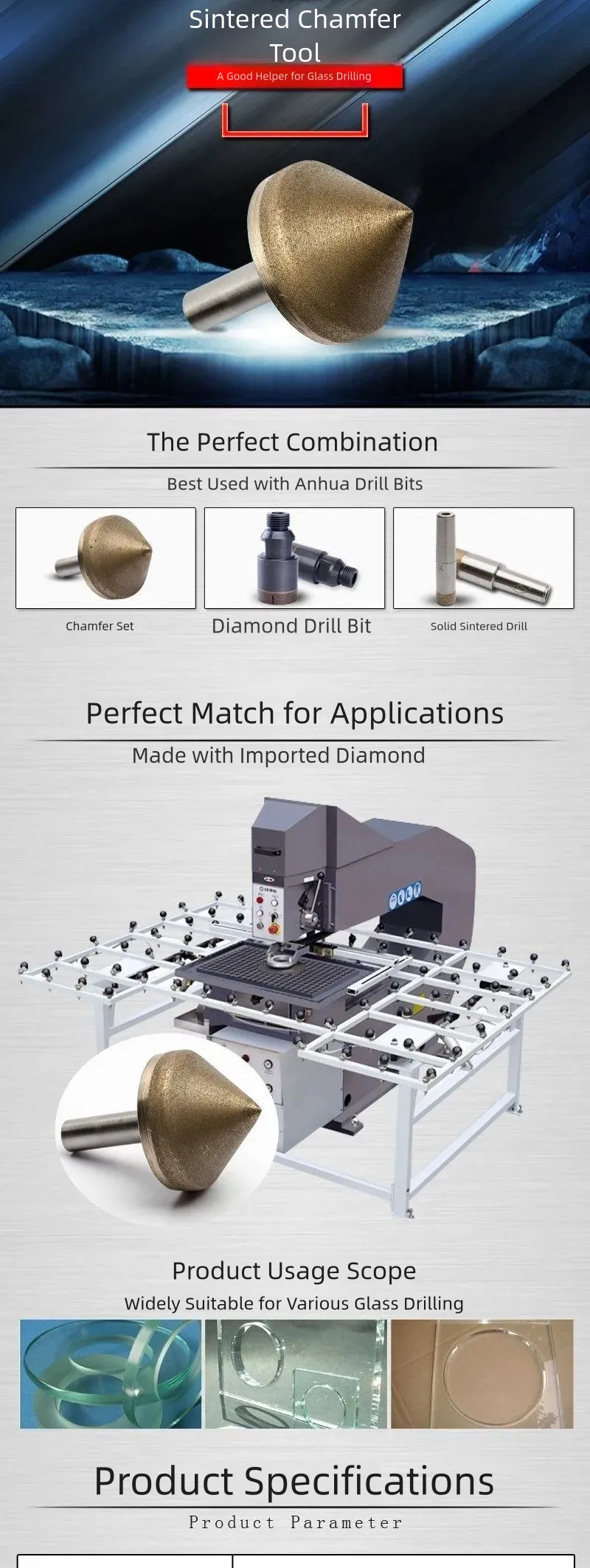
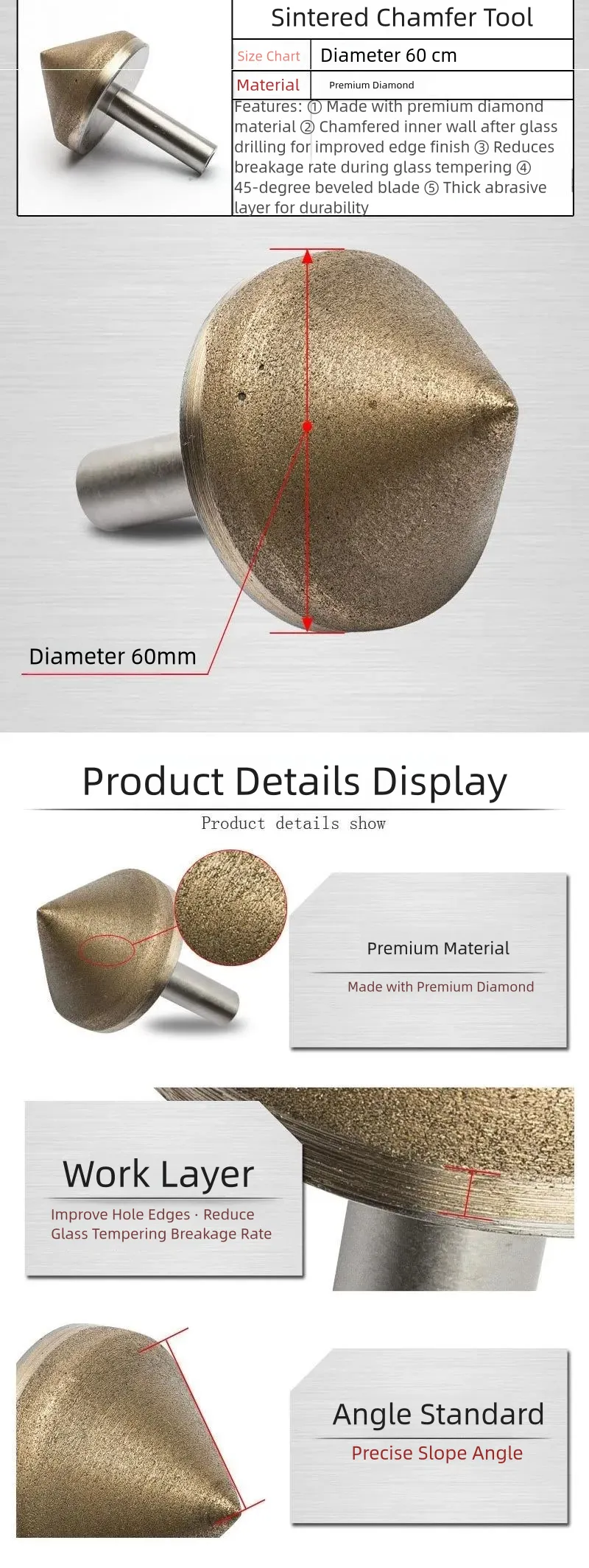
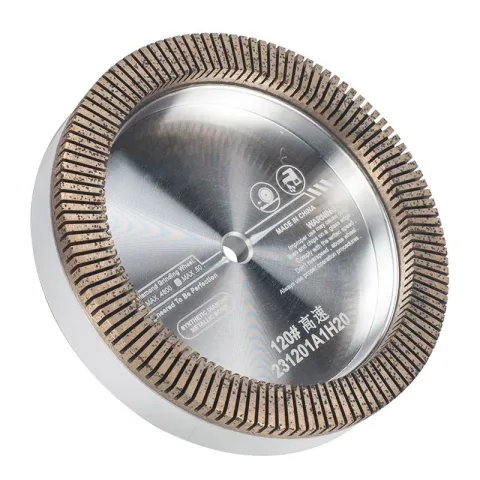
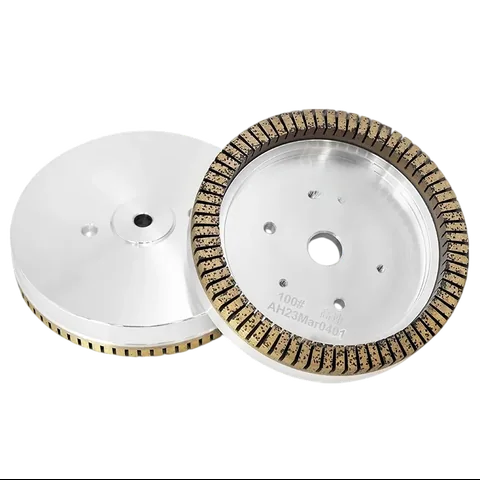
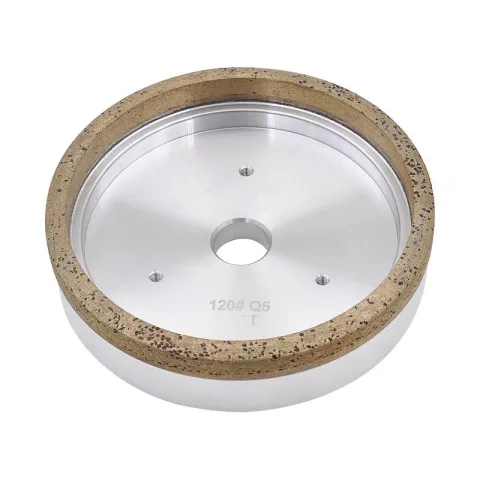
Diamond Glass Hole Chamfer Bit and Conical Countersink Tool product detail 1: material, dimensions and drilling applicationDiamond Glass Hole Chamfer Bit and Conical Countersink Tool product detail 2: material, dimensions and drilling application
Buyer questions

Frequently Asked Questions

What is it called when you chamfer a hole?

It is commonly called hole chamfering or countersinking. The operation removes or bevels the sharp edge around a drilled hole.

What type of tool is used to chamfer a hole in glass?

Use a diamond chamfer or conical countersink tool designed for glass. Match its size and connection to the drilled hole, glass thickness and machine.

How do you chamfer a drilled glass hole?

Secure the glass on a soft support, use controlled low speed and continuous water cooling, then apply light, even pressure around the hole edge. Stop and inspect frequently to avoid an oversized or uneven chamfer.

What sizes are available for the glass hole chamfer tool?

The supplied references include 10, 20, 25, 30, 35, 40, 45, 50 and 60 mm. Confirm the actual drilled-hole diameter and required chamfer width before ordering.

Request a recommendation

Ask About This Product

Send your machine model, current wheel dimensions and glass application. We will review the specification for Diamond Glass Hole Chamfer Bit and Conical Countersink Tool before quotation.

Verification is being configured. Please contact us by email or WhatsApp.